

Table of Contents
- How Perth Taxi Service Pricing Works
- Perth Airport Taxi Cost: What to Expect
- Using a Perth Taxi Fare Calculator
- Department of Transport WA Taxi Fares: Regulation and Standards
- Uber vs Taxi Perth Price Comparison
- Booking Methods and Their Impact on Taxi Service Pricing
- Additional Fees, Surcharges and Special Requirements
- Conclusion
Last Updated: August 10, 2026
How Perth Taxi Service Pricing Works
Perth’s taxi pricing combines a fixed flag fall (initial charge) with distance-based metered rates that increase during peak hours. The metered fare system operates under Department of Transport WA regulations, which set standard tariff rates across all licensed taxi services. When you board, the flag fall activates immediately, then the meter calculates your fare based on distance and time elapsed.
Flag Fall and Metered Rates
The flag fall is the non-negotiable starting charge every passenger pays when boarding a licensed taxi. Once charged, the metered rate takes over, typically charging per kilometre travelled. Perth’s standard metered rates are set by the Department of Transport WA to ensure consistency across operators.
The advantage of metered fares is predictability. You know the flag fall before boarding, and the per-kilometre rate is published and consistent. A 5-kilometre trip costs roughly the same whether you book at 8 AM or 6 PM, unlike rideshare services that adjust prices based on demand. Universal Cabs maintains these regulated rates across all journeys, ensuring transparent pricing.
Tariff Types and Peak Hour Variations
Perth taxis operate under multiple tariff structures. Tariff 1 applies during standard off-peak hours and represents the baseline rate. Tariff 2 activates during peak periods, typically weekday mornings (7-10 AM) and evenings (4-7 PM), when demand exceeds supply.
Tariff 2 rates are higher than Tariff 1, reflecting increased demand and congestion. However, both remain regulated by the Department of Transport WA, so there’s no hidden pricing. Night-time travel (typically after 10 PM) may also attract a different tariff structure, though rates remain regulated. The key insight is that tariff variations are time-based, not demand-based. Universal Cabs applies the same regulated tariffs as every other licensed operator, eliminating the uncertainty of dynamic pricing.
| Tariff Type | Typical Hours | Rate Structure | Best For |
|---|---|---|---|
| Tariff 1 | Off-peak (10 AM-4 PM) | Standard metered rate | Daytime local trips |
| Tariff 2 | Peak hours (7-10 AM, 4-7 PM) | Higher metered rate | Commute times |
| Night Tariff | Late evening (10 PM+) | Regulated night rate | After-hours travel |
Perth Airport Taxi Cost: What to Expect
A taxi journey from Perth Airport to the CBD typically costs between a moderate range, depending on traffic and your exact destination. Every licensed taxi operating from Perth Airport must charge an airport surcharge on top of the metered fare, set by the Department of Transport WA and varying by terminal.
Airport Surcharges and Fixed Pricing
The airport surcharge is non-negotiable and applies to all licensed taxis equally. It’s a regulatory requirement, not a profit margin. When booking, ask whether the quoted price includes this surcharge; reputable operators clarify this upfront.
Some operators offer fixed-price airport transfer quotes, bundling the metered fare and surcharge into a single guaranteed amount. This eliminates uncertainty about traffic delays increasing your bill. Universal Cabs provides transparent pricing for airport transfers, with experienced drivers using flight-tracking technology to time pickups precisely, ensuring you’re collected when your flight actually lands.

Booking Your Airport Transfer
Pre-booking your airport taxi eliminates the uncertainty of rank queues and availability. You confirm vehicle type, driver experience, and pickup timing in advance. For early morning flights, this certainty is invaluable.
Airport taxi ranks operate first-come, first-served, with waiting times varying. During peak travel hours, queues can exceed 30 minutes. Pre-booking avoids this entirely. You specify your flight number and arrival time, and the driver monitors your flight status, adjusting pickup timing if delayed. Universal Cabs’ flight-tracking system means your driver knows if your flight is running late, arriving early, or delayed, eliminating stress when you emerge from baggage claim.
Using a Perth Taxi Fare Calculator
A Perth taxi fare calculator helps you estimate costs before booking, removing guesswork from journey planning. These tools use Department of Transport WA tariff rates and your specified route to generate realistic fare estimates.
Most modern taxi booking apps include built-in fare calculators. You enter pickup and destination addresses, and the calculator estimates the metered fare based on distance and typical traffic conditions. Some calculators also factor in surcharges and provide a total estimated cost. This estimate isn’t binding; actual fares vary based on real-time traffic, but it gives you a reasonable budget figure.
Use a fare calculator for longer journeys where traffic significantly impacts cost. For short local trips, variance is minimal. For airport transfers or CBD-to-suburb journeys, a calculator helps you budget accurately.
Department of Transport WA Taxi Fares: Regulation and Standards
The Department of Transport WA sets and regulates all taxi fares in Western Australia, ensuring consistency, fairness, and consumer protection. Every licensed taxi operator must comply with these regulated rates; there’s no negotiation or variation based on operator preference.
This regulatory framework establishes the flag fall, per-kilometre rates, and surcharges that apply across Perth. The rates are published publicly, allowing passengers to verify charges and report overcharging. The benefit of regulation is transparency. You’re not at the mercy of an operator’s pricing algorithm or dynamic demand multipliers. A licensed taxi operates under the same fare structure as every other licensed taxi, creating a level playing field where operators compete on service quality, driver professionalism, and reliability, not on pricing.
Regulation also protects vulnerable passengers. Elderly residents, people with disabilities, and tourists unfamiliar with local pricing can trust they’re being charged fairly. If you believe a driver has overcharged you, you can report it to the Department of Transport WA.
Uber vs Taxi Perth Price Comparison
Comparing Uber vs taxi Perth price requires understanding the fundamental difference in how each service calculates fares. Taxis use regulated, time-based metered rates. Uber uses dynamic pricing that adjusts based on real-time demand.
When Taxis Offer Better Value
Taxis consistently offer better value during peak hours and periods of high demand. Because taxi fares are regulated and don’t fluctuate based on demand, you pay the same metered rate whether it’s 6 PM on a Friday or 2 PM on a Tuesday. Uber’s surge pricing can multiply fares by 2-3 times during peak periods, making a $25 journey suddenly cost $60 or more.
For regular commuters, taxis are predictable. You know your daily trip to work or the airport will cost approximately the same amount each time. Taxis also excel for longer journeys and airport transfers. Universal Cabs’ flight-tracking technology and pre-booking system make airport transfers particularly reliable; your driver is committed to your journey and monitors your flight status.
When Rideshare Services Compete on Cost
Uber can offer lower fares during off-peak hours when demand is low. If you’re booking at 2 PM on a Wednesday, Uber’s base rate might undercut a taxi’s metered fare. However, Uber drivers are independent contractors with no obligation to accept your ride, so availability can be unpredictable.
The comparison ultimately hinges on your priorities. Uber offers lowest-cost off-peak travel and app convenience. Taxis offer regulated pricing, professional drivers, and predictability, especially valuable during peak hours, for airport transfers, and for passengers with specific needs.
Booking Methods and Their Impact on Taxi Service Pricing
How you book a taxi can influence your experience, though the metered fare itself remains constant. Rank or hail, phone booking, and app-based booking each have distinct advantages.
Hailing vs Pre-booking
Rank or hail taxis from designated ranks or by flagging one on the street. This offers immediacy but during peak hours, ranks can have queues. Pre-booking offers certainty; you confirm pickup time, vehicle type, and driver in advance. For time-sensitive journeys like airport transfers, pre-booking eliminates the risk of waiting or being unable to find an available taxi.
Universal Cabs’ pre-booking system allows you to specify exact requirements, wheelchair accessibility, Maxi Taxi capacity, or driver experience level, ensuring the right vehicle is assigned. Pre-booked journeys also enable features like flight tracking, where the driver monitors your flight status and adjusts pickup timing accordingly.
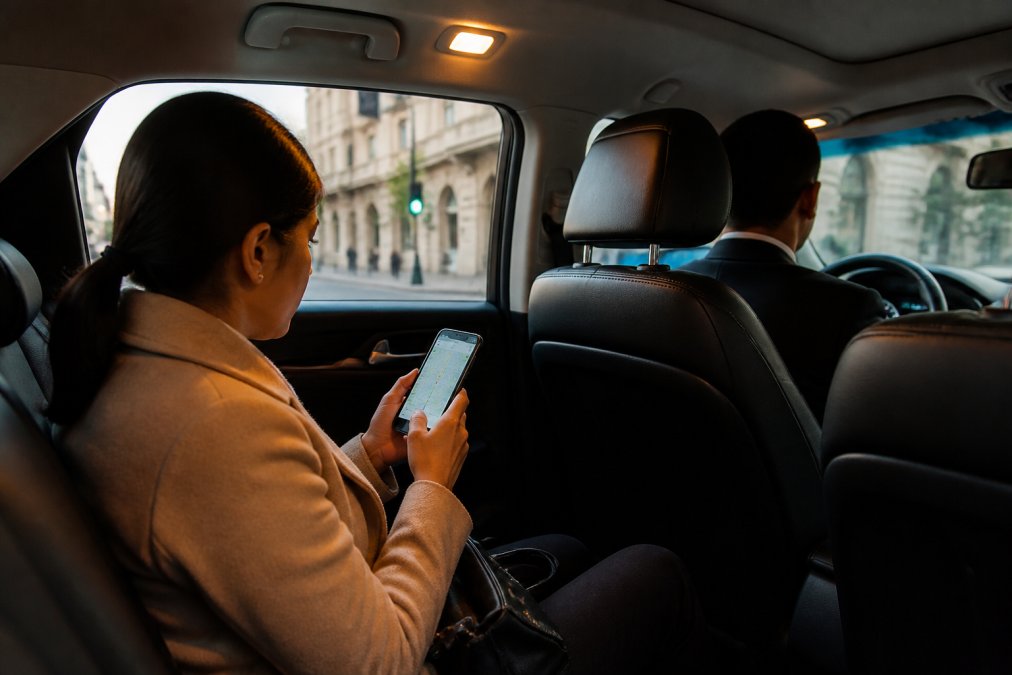
Payment Options and Surcharges
Most taxis accept both cash and card payments. Card payments may incur a small surcharge, typically 1-2%, to cover processing fees. Cash remains surcharge-free, making it the most economical payment method.
App-based booking platforms sometimes add booking fees on top of the metered fare. Direct phone booking often avoids booking fees entirely, making it cost-effective if you’re comfortable calling. The metered fare itself doesn’t change based on payment method; only surcharges and booking fees do.
Additional Fees, Surcharges and Special Requirements
Beyond the metered fare, several additional charges may apply depending on your journey type and specific needs.
Waiting Time Charges
Waiting time charges apply when you ask the driver to wait, for example, to run into a shop quickly. The meter continues running during waiting periods, charging per-minute rates set by the Department of Transport WA.
Waiting time is distinct from traffic delays. If stuck in congestion en route, you pay because the meter is running. Waiting time charges apply only when the taxi is stationary and you’ve explicitly asked the driver to wait. For predictable waiting periods, discuss rates with your driver before they begin waiting.
Wheelchair Accessible and Special Needs Transport
Wheelchair-accessible taxis are purpose-built vehicles with ramps, securing systems, and spacious interiors. Some operators charge a modest surcharge for these services, though it’s regulated and transparent.
Booking a wheelchair-accessible vehicle requires advance notice, as these are in higher demand. Pre-booking ensures a suitable vehicle is available. Universal Cabs maintains a dedicated fleet of wheelchair-accessible vehicles and can accommodate PTSS (Patient Transport Support Services) requirements. Other special requirements like child seats, extra luggage space, or pet-friendly vehicles should be specified during booking.
Group Travel and Maxi Taxi Pricing
A Maxi Taxi is a larger vehicle designed for groups of 5-13 passengers, offering an alternative to booking multiple standard taxis. Pricing typically reflects the vehicle’s capacity and operating costs, which are higher than standard taxis.
Maxi Taxi fares are either metered or fixed-price quotes. Fixed-price quotes provide certainty; you know the total cost upfront. For group travel, Maxi Taxis often provide better value than booking multiple standard taxis. Universal Cabs offers Maxi Taxi services for groups and corporate events, with experienced drivers familiar with managing larger passenger loads.
Booking a taxi in Perth is straightforward once you understand how pricing works. The regulated fare structure provides transparency that rideshare services can’t match, especially during peak hours when surge pricing makes alternatives significantly more expensive. Whether catching a flight, commuting to work, or organising group transport, knowing the difference between tariff types, surcharges, and booking methods helps you choose the right option and budget accurately.
For airport transfers and time-sensitive journeys, pre-booking with a reliable operator like Universal Cabs eliminates uncertainty. Their flight-tracking technology, diverse fleet including wheelchair-accessible vehicles, and 24/7 availability across Perth suburbs ensure professional, punctual transport without hidden costs or demand-based price spikes.
Frequently Asked Questions
How much does a Perth taxi service cost from the CBD to the airport?
Perth taxi service pricing from the CBD to the airport depends on distance, time of day, and whether surcharges apply. Most operators charge a metered fare based on a flag fall plus per-kilometre rates. Airport surcharges may add $2-$4 depending on the terminal. For exact fares, contact Universal Cabs or use a Perth taxi fare calculator to get an upfront estimate before booking.
Is Uber or taxi cheaper in Perth?
Pricing varies by trip distance and time. During off-peak hours, rideshare services like Uber or DiDi often undercut traditional taxis. However, during peak times, surge pricing can make rideshares significantly more expensive. Traditional taxis offer consistent metered rates without surge pricing, making them more predictable for budget planning. For airport transfers and group travel, fixed-price taxi quotes often provide better value.
What surcharges should I expect when booking a Perth taxi service?
Common surcharges include airport fees ($2-$4 depending on terminal), waiting time charges if the driver waits beyond a set period, and potential peak-hour adjustments under Tariff 2. Some operators charge booking fees for online reservations. Payment method may also affect the final cost, cash payments sometimes avoid card processing fees. Always confirm surcharges when booking to avoid surprises.
How does the Department of Transport WA regulate Perth taxi service pricing?
The Department of Transport WA sets maximum fare rates and tariff structures that licensed operators must follow. Taxis operate under regulated tariffs with set flag falls and per-kilometre charges, ensuring consistency across the industry. These regulations protect passengers by preventing unlimited price hikes and ensuring transparent, government-approved rates. Check the Department of Transport WA website for current maximum fares and tariff details.
This article was written using GrandRanker