

Table of Contents
- How Taxi Fares Are Calculated in Perth
- Taxi Fare Structure and Tariffs in Western Australia
- Perth Airport Taxi Cost Estimate and Surcharges
- Peak vs Off-Peak Pricing and Holiday Rates
- Uber vs Taxi Price Comparison Perth
- WA Department of Transport Taxi Fare Regulations
- Maxi Taxi and Special Vehicle Rates
- Conclusion
Last Updated: August 7, 2026
How Taxi Fares Are Calculated in Perth
Taxi fares in Perth are calculated using a combination of base charges, distance-based rates, and time-based components that together determine your final cost. Understanding this structure helps you anticipate expenses and budget effectively for regular journeys.
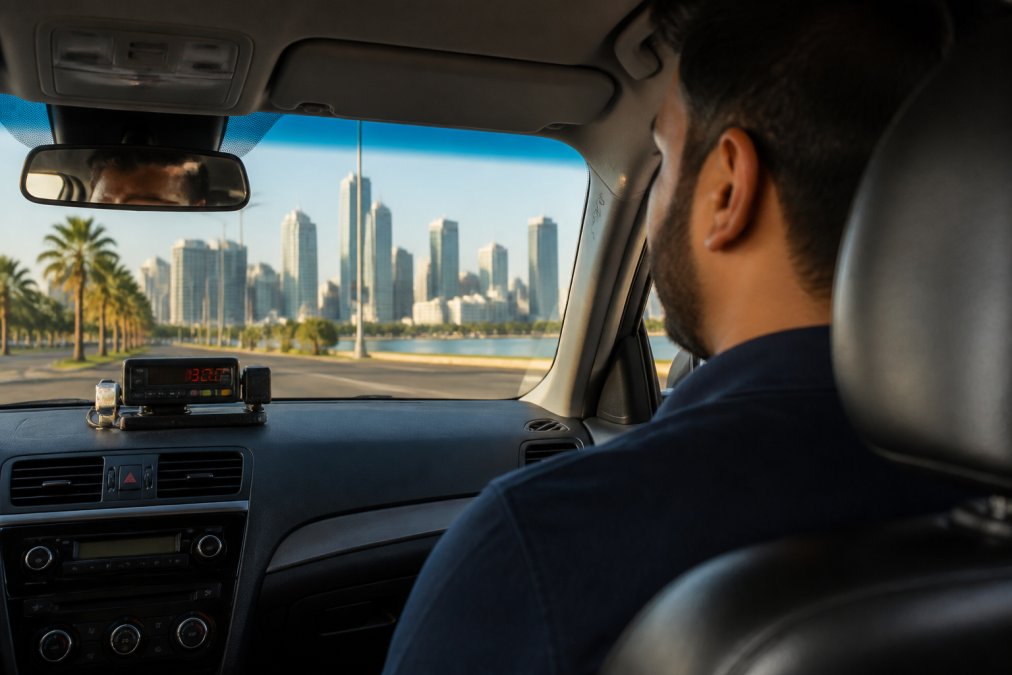
The metered fare system operates on three core elements: the flag fall (initial charge when the taxi is engaged), the distance rate (per-kilometre charge), and waiting time charges (applied when the vehicle is stationary or moving slowly). When you book a taxi in Perth, these components combine to create your total fare. The taxi meter records distance and elapsed time simultaneously, updating the fare display in real-time as your journey progresses.
Peak and off-peak periods affect the distance rate applied. During standard hours, you’ll pay one rate per kilometre. During peak periods (typically evening rush hours and late night), the per-kilometre rate increases. This isn’t a hidden spike, it’s a regulated adjustment that applies uniformly across the industry, though individual operators may structure their tariffs differently.
Request a fare estimate before booking. Most Perth [taxi services](https://universalcabs.com.au/uber-vs-taxi-services-in-perth/) provide transparent fare estimates based on your pickup and destination, allowing you to budget accurately without surprises at journey’s end.
Waiting time charges apply when your taxi is stationary or crawling in traffic. Rather than the metre freezing, you’re charged per minute of waiting. This protects drivers from losing income during congested periods while ensuring you’re not paying inflated distance charges for slow-moving traffic.
Taxi Fare Structure and Tariffs in Western Australia
Western Australia’s taxi fare structure is regulated by the Department of Transport to ensure consistency and fairness across the industry. The Department sets maximum tariff rates, which means operators cannot exceed these limits, though some may charge less.
The standard tariff comprises several components. The flag fall, the initial charge when you engage a taxi, covers the driver’s time and vehicle use from the moment they accept your booking. This is a fixed amount regardless of distance. The distance rate applies per kilometre travelled and forms the largest portion of most fares. The waiting time rate applies when the vehicle is stationary or moving at less than 10 kilometres per hour, charged per minute.
Different vehicle classes have different tariffs. Standard sedans operate under one tariff. Maxi taxis (larger vehicles carrying more passengers) operate under a separate, higher tariff reflecting their capacity and operating costs. Wheelchair-accessible vehicles may have modified tariffs to account for additional time required for passenger boarding and securing mobility equipment.
Perth’s taxi tariffs are regulated maximums, not fixed prices. All operators must comply with Department of Transport standards, ensuring you won’t face unexpected surcharges for standard services.
The regulated tariff structure applies to rank-and-hail services (taxis picked up from the street or taxi ranks) and pre-booked services. When you book in advance through a service like Universal Cabs, you receive transparent pricing based on these regulated rates, with no hidden additions beyond legitimate surcharges for airport trips or public holidays.
Perth Airport Taxi Cost Estimate and Surcharges
Perth Airport transfers represent a significant portion of taxi journeys, and understanding the cost structure helps you plan accordingly. The journey from Perth Airport to the CBD typically involves a base metered fare plus an airport surcharge.
An airport surcharge applies to all taxi journeys departing from Perth Airport. This surcharge is regulated by the Department of Transport and applies uniformly across all operators. It covers the additional costs associated with airport operations, including access fees and congestion management. The surcharge is added to your metered fare, not replacing it, you pay both the distance-based fare and the airport surcharge.
For journeys to the airport (arriving at Perth Airport), the surcharge does not apply. You pay only the metered fare based on distance and time. This asymmetry means your return journey from the airport will cost more than an equivalent outbound journey from the city.
Distance from Perth Airport to common destinations varies significantly. The CBD is approximately 15 kilometres away. Suburban areas like Subiaco, Nedlands, and Claremont range from 20-30 kilometres. Northern suburbs like Joondalup extend to 40+ kilometres. Each additional kilometre adds to your fare, making the distance rate the primary cost driver for airport transfers.
Airport surcharges are non-negotiable and apply to every taxi departure from Perth Airport. Confirm the total estimated cost (metered fare plus surcharge) before boarding to avoid surprises. Services like Universal Cabs that offer flight tracking ensure your driver knows when your flight lands, minimising waiting time and associated charges.
Booking in advance through a service provider gives you a fixed-price estimate that includes the airport surcharge, removing uncertainty. This is particularly valuable for early-morning or late-night airport runs where availability may be limited and surge conditions might apply with other transport methods.
Peak vs Off-Peak Pricing and Holiday Rates
Perth’s taxi tariff system distinguishes between peak and off-peak periods to reflect demand and driver availability. Peak periods typically include weekday evenings (6 PM to midnight) and weekend evenings, when demand for taxis is highest.
During peak periods, the per-kilometre rate increases. This is a regulated adjustment, not a discretionary surcharge, and applies uniformly across all operators. The increase compensates drivers for higher demand and longer average journey times during congested periods. Off-peak rates (typically midnight to 6 AM on weekdays, and daytime hours on weekends) are lower, reflecting reduced congestion and lower demand.
Public holidays operate under special tariff conditions. On gazetted public holidays, an additional holiday surcharge applies to all taxi fares. This surcharge is separate from peak-period adjustments and applies regardless of the time of day. The Department of Transport publishes the list of gazetted public holidays each year, ensuring transparency about when these rates apply.
Night-time travel (midnight to 6 AM) falls into off-peak rates on most nights, but public holiday nights may incur the holiday surcharge even during traditionally off-peak hours. This means a late-night journey on New Year’s Eve will cost more than the same journey on a regular night, even though it’s technically off-peak.
Many commuters and regular travellers find that booking with a service offering transparent pricing, such as Universal Cabs, which guarantees no hidden spikes for day, night, or airport trips, removes the complexity of calculating which rates apply. You receive a consistent quote based on your journey, regardless of the time.
Uber vs Taxi Price Comparison Perth
Comparing traditional taxi fares with ride-share alternatives like Uber reveals significant differences in pricing structure and cost predictability. Traditional taxis operate under regulated tariffs with fixed flag falls and per-kilometre rates. Uber operates a dynamic pricing model where fares fluctuate based on real-time demand.
| Factor | Traditional Taxi | Uber |
|---|---|---|
| Pricing Model | Regulated, metered | Dynamic, demand-based |
| Base Charge | Fixed flag fall | Variable surge pricing |
| Per-Kilometre Rate | Regulated maximum | Demand-dependent |
| Booking Fee | None (rank and hail) or minimal | Included in fare |
| Waiting Time | Charged per minute | Included after initial wait |
| Price Transparency | Estimate available before booking | Estimate provided, subject to change |
| Peak Hour Costs | Modest regulated increase | Significant surge multiplier |
During off-peak periods, traditional taxis and Uber fares are often comparable. Both charge roughly similar amounts for the same journey distance. The critical difference emerges during peak periods and high-demand events. Uber’s surge pricing can multiply fares by 2-3x or more during peak evening hours or major events. Traditional taxis apply a regulated peak-period rate increase, typically 20-30% above standard rates, but this is capped and transparent.
For airport transfers, traditional taxis include a regulated surcharge but maintain metered rates for the distance component. Uber’s airport pricing is subject to surge multipliers, meaning an airport trip during peak demand could cost significantly more than the equivalent taxi journey.
Choose traditional taxis for predictable, budget-conscious travel during peak periods. Choose Uber for off-peak journeys where surge pricing is minimal and you value app-based convenience. For airport transfers, traditional taxis offer more transparent, regulated pricing that protects against demand-based surges.
Accessibility and vehicle diversity also differ. Traditional taxi fleets include wheelchair-accessible vehicles and larger maxi taxis for group travel. Uber’s Perth fleet is more limited in accessible vehicle options. For families requiring baby capsule-equipped vehicles or individuals with mobility needs, traditional taxis offer more reliable options. Universal Cabs, for example, maintains a diverse fleet including sedan, SUV, maxi taxi, and wheelchair-accessible vehicles, ensuring options for every passenger type.
Booking reliability differs as well. Traditional taxis operate 24/7 with consistent availability. Uber’s Perth availability can be limited during off-peak hours, particularly late night or early morning. For critical journeys, early-morning airport runs, medical appointments, or time-sensitive corporate travel, traditional taxi services with guaranteed availability offer greater peace of mind.
WA Department of Transport Taxi Fare Regulations
The Department of Transport Western Australia sets and enforces taxi fare regulations to protect consumers and ensure industry consistency. These regulations establish maximum tariff rates that all operators must comply with, though operators may charge less if they choose.
The regulatory framework covers several key areas. Tariff structure (flag fall, distance rate, waiting time rate) is set by the Department and published annually. Operators must display tariffs clearly in their vehicles and provide fare estimates on request. Surcharges for airport trips, public holidays, and other circumstances are defined and capped by regulation.
The Department publishes updated tariffs each financial year, typically from 1 July. These updates reflect inflation and operational cost changes. Operators must implement new tariffs on the specified date and cannot charge rates exceeding the published maximums. This protects passengers from arbitrary price increases while allowing operators to adjust for genuine cost pressures.
Complaints about fare disputes or overcharging can be lodged with the Department of Transport Western Australia complaints process. The Department investigates complaints and can take action against operators who exceed regulated tariffs or engage in misleading pricing practices.
WA’s Department of Transport regulations ensure all taxi operators, including Universal Cabs, comply with published maximum tariffs. You have regulatory protection against overcharging, and the Department provides a formal complaints mechanism if disputes arise.
Operators who wish to charge less than the regulated maximum may do so, offering discounts or loyalty programs. However, they cannot exceed the maximum tariff. This regulatory ceiling ensures that even during peak demand or special circumstances, your fare cannot exceed the Department’s published limits.
Maxi Taxi and Special Vehicle Rates
Maxi taxis serve a different market than standard sedans, accommodating larger groups and offering greater comfort for longer journeys. These vehicles typically carry 6-7 passengers compared to the standard sedan’s 4 passengers. The tariff for maxi taxis is higher than standard taxis, reflecting increased operating costs, vehicle size, and passenger capacity.
The flag fall for a maxi taxi is higher than a standard taxi. The per-kilometre rate is also increased. These higher rates apply uniformly and are published by the Department of Transport. When you book a maxi taxi, you’re paying for additional capacity and comfort, not a premium service charge.
Wheelchair-accessible vehicles have modified tariff structures to account for additional boarding and securing time. The flag fall may be slightly higher to reflect the time required to deploy wheelchair ramps and secure mobility equipment. However, these vehicles are essential for passengers with mobility needs, and the tariff adjustment is minimal compared to the accessibility benefit.
Family groups, sports teams, and corporate events frequently require maxi taxi services. A group of six people booking two standard taxis pays for two separate flag falls and two separate distance charges. The same group in one maxi taxi pays a single (higher) flag fall and one distance charge, often resulting in lower total cost per person while providing a unified, coordinated journey.
Universal Cabs maintains a diverse fleet including maxi taxis and SUVs, allowing flexible options for different group sizes and comfort requirements. Booking a maxi taxi in advance ensures vehicle availability and allows you to confirm the tariff before your journey.
For group travel, compare the cost of multiple standard taxis against a single maxi taxi. The maxi taxi often provides better value per person while ensuring the group travels together, particularly important for corporate teams, family outings, and event transportation.
Special vehicle requests, such as vehicles equipped with specific amenities or professional-grade comfort for executive travel, may incur additional charges beyond the standard tariff. These charges should be discussed and confirmed before booking to ensure transparency.
Choosing the right taxi service in Perth means understanding how fares are calculated and what factors influence your final cost. Regulated tariffs provide protection against arbitrary pricing, but peak periods, airport surcharges, and vehicle type all affect your journey cost. When you book with a service like Universal Cabs that guarantees transparent, consistent pricing without hidden spikes for day, night, or airport trips, you gain clarity and predictability. With 24/7 availability across Perth and a diverse fleet including wheelchair-accessible and maxi taxi options, Universal Cabs ensures you have reliable transport options for every need, from daily commutes to airport transfers to corporate events. Book Now and experience the difference professional, transparent taxi service makes.
Frequently Asked Questions
How much is a taxi from Perth Airport to Perth CBD?
Perth Airport taxi cost estimates depend on traffic conditions, time of day, and vehicle type. Fares include a flag fall charge, per-kilometre distance rate, and airport surcharge as regulated by the WA Department of Transport. For an accurate estimate specific to your journey, contact Universal Cabs directly or use their fare calculator on the website. Booking in advance often helps secure transparent pricing.
Do taxi fares in Perth increase during peak hours or holidays?
Under WA Department of Transport regulations, standard taxi fares remain consistent across day and night hours. However, some peak periods and public holidays may attract regulated surcharges. Universal Cabs guarantees no hidden price spikes, rates remain transparent whether you travel during morning rush, evening peak, or holiday periods. Always confirm current surcharges when booking.
Is Uber or taxi cheaper in Perth?
Comparing ride-share alternatives like Uber to traditional taxi fares in Perth depends on distance, time of booking, and demand. Ride-share services often apply surge pricing during peak hours, while regulated taxi fares follow a consistent metered structure. Universal Cabs offers transparent, regulated pricing without surge charges. Request a fare estimate from both services for your specific route to compare costs directly.
Are taxi fares in Perth regulated by the WA government?
Yes, taxi fares in Western Australia are regulated by the WA Department of Transport. Regulated rates cover the flag fall (base fare), distance-based per-kilometre charges, waiting time, and approved surcharges for airport trips and public holidays. This regulation ensures fare consistency and consumer protection across all licensed taxi services in Perth.
This article was written using GrandRanker