

Table of Contents
- What NDIS Transport Providers Offer in Perth
- NDIS Transport Funding Rules: What You Need to Know
- Wheelchair Accessible Taxi Services: Core Features and Accessibility
- NDIS Transport Price Guide Western Australia: Understanding Costs
- Key NDIS Transport Providers in Perth: How to Choose
- Comparing Transport Options: What Matters Most
- Conclusion
Last Updated: August 27, 2026
What NDIS Transport Providers Offer in Perth
Finding reliable transport isn’t just about getting from A to B. For NDIS participants, it’s about maintaining independence, attending appointments, and accessing community activities without stress or uncertainty. At Universal Cabs, we understand that transport is a critical support service, it’s how people reach work, school, medical appointments, and social events that keep them connected.
NDIS transport providers in Perth deliver more than taxis. They offer tailored solutions designed specifically for people with disability, combining accessibility features with trained staff who understand the support many participants need. Whether you require wheelchair-accessible vehicles, support worker assistance, or simply reliable, on-time pickups, the right provider transforms what could be a barrier into an enabler of participation.
The challenge most participants face isn’t finding a transport option, it’s identifying which provider actually fits their needs, budget, and funding structure. Some services focus purely on accessible vehicles. Others provide direct support worker assistance during journeys. Many work exclusively within NDIS funding frameworks. Understanding what each offers is essential before committing to a provider.
NDIS Transport Funding Rules: What You Need to Know
NDIS funding for transport is allocated within your plan under specific support categories. The rules determine what you can fund, how much you’re allocated, and which providers you can use. Getting this right prevents frustration and wasted funds later.
Transport support typically falls under two NDIS categories: core supports (daily living assistance) or capacity building (skills development and independence). Core supports cover transport for essential activities, medical appointments, work, education, and community participation. Capacity building covers travel training, which helps participants develop confidence and independence using public transport or managing journeys independently.
Your plan manager, support coordinator, or NDIA representative confirms what’s been allocated and which providers are approved. Not all transport services are registered NDIS providers, so verification matters. A provider who works with plan-managed participants may not accept self-managed funds, and vice versa. Check this before booking.
Pricing varies significantly based on funding type. NDIS-funded services invoice directly to your plan. Private taxi services operate on metered fares or fixed rates. Some participants blend both, using NDIS-funded transport for regular commitments and private taxis for occasional trips. Understanding your entitlements prevents overspending and ensures you’re using your allocation efficiently.
Wheelchair Accessible Taxi Services: Core Features and Accessibility
Wheelchair-accessible vehicles aren’t all identical. The difference between a basic accessible taxi and a purpose-built service can affect comfort, independence, and whether you actually feel supported during the journey.
Vehicle Types and Safety Equipment
Modern wheelchair-accessible taxis come equipped with hydraulic ramps or lifts that deploy from the vehicle floor, allowing wheelchair users to board without transferring (ada.gov). These systems are engineered for safety, they support weight securely and lower smoothly. Once inside, wheelchair restraint systems hold the chair in place during transit using certified securing points.
The vehicle interior is designed for accessibility. Doorways are wider. Floors are lowered to reduce the step-up height. Handrails and grab handles are positioned for safe entry and exit. Some vehicles include seating for companions or support workers. Climate control is essential, passengers who cannot regulate their own temperature depend on the driver managing heating and cooling throughout the journey.
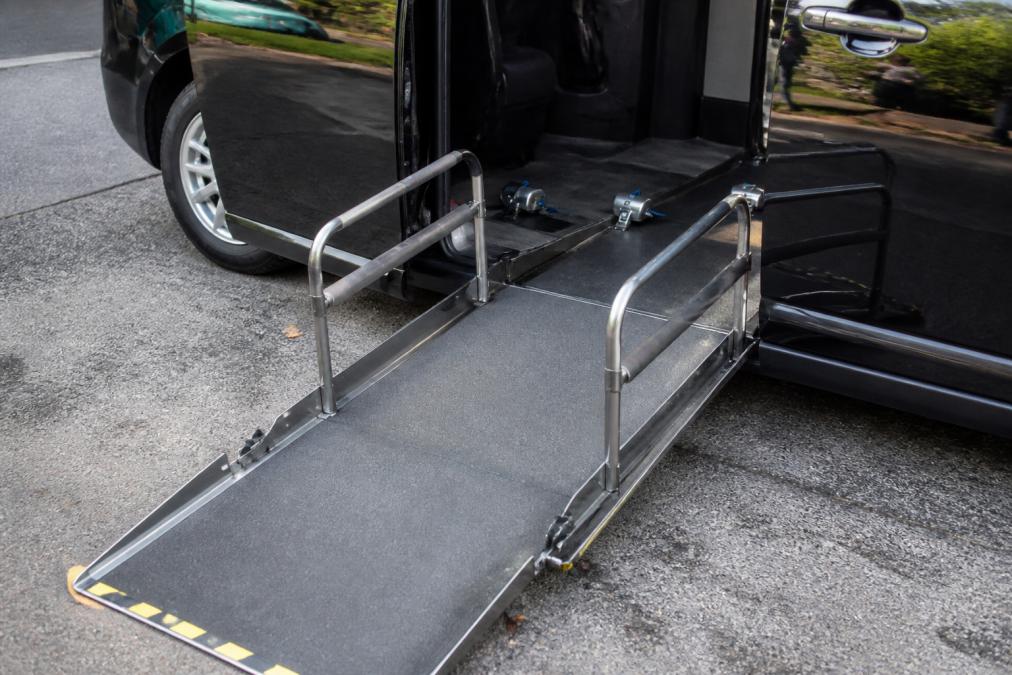
Vehicles are regularly maintained to safety standards. Brakes, suspension, and accessibility equipment are inspected routinely. A well-maintained accessible vehicle is reliable and reduces the risk of mechanical failure that could disrupt your plans. Providers who prioritize maintenance demonstrate they value participant safety.
Driver Training and Passenger Assistance
Not every driver can operate wheelchair-accessible equipment safely. Proper training covers equipment operation, passenger communication, and emergency procedures. Trained drivers understand how to secure wheelchairs correctly, communicate clearly about what’s happening during boarding and exit, and respond appropriately if equipment malfunctions.
Passenger assistance goes beyond mechanical operation. It includes helping with seatbelts, mobility aids, and personal items. A good driver anticipates needs, they ask before helping, respect personal space, and treat passengers with dignity. This distinction separates a purely functional transport service from one that truly supports independence and comfort.
Many NDIS-registered providers employ drivers trained in disability awareness. This training covers communication strategies, understanding different disabilities, and recognizing when a passenger needs additional support. It’s not universal across all taxi services, so it’s worth confirming when selecting a provider.
NDIS Transport Price Guide Western Australia: Understanding Costs
Transport costs in your NDIS plan depend on several factors: the type of service, distance travelled, frequency of use, and whether you’re using NDIS funding or paying privately.
NDIS-funded transport services typically charge based on hourly rates, fixed trip fees, or a combination. These charges are invoiced directly to your plan. The advantage is predictability, you know the cost upfront and it’s deducted from your allocated budget. The limitation is that once your allocation is exhausted, additional transport requires private payment or reallocation from other plan areas.
Private taxi services operate on metered fares or fixed rates. Metered fares vary by distance and time. Fixed rates are agreed in advance for common routes. Neither includes NDIS funding, so costs come directly from your pocket or are managed through a plan manager if your plan includes a transport budget.
Out-of-pocket expenses often surprise participants. If your NDIS allocation runs short, you may need to fund additional trips privately. Some participants budget for this by using NDIS-funded transport for regular commitments and private taxis for occasional needs. Others negotiate with providers for mixed arrangements.
Understanding your actual allocation, typical monthly usage, and the cost per trip helps you plan accurately. If you’re unsure whether your current provider is cost-effective, compare the hourly or per-trip rate against alternatives. Small differences compound significantly over a year.
Key NDIS Transport Providers in Perth: How to Choose
Selecting the right provider requires matching your specific needs against what each service offers. Consider accessibility features, support worker availability, booking flexibility, reliability, and whether they’re registered with the NDIS.
Universal Cabs: Reliable Fixed-Fare Transport
Universal Cabs operates 24/7 across Perth and surrounding suburbs with a diverse fleet including wheelchair-accessible vehicles. The service is built on transparent, consistent pricing, no surge pricing during peak hours or airport trips. Drivers are experienced in Perth routes and trained in passenger assistance and safe wheelchair handling.
The standout feature is reliability. Flight-tracking technology means airport pickups adjust to flight delays automatically, you won’t be charged for waiting if your flight is delayed. For medical appointments, early morning work shifts, and time-sensitive journeys, this predictability matters. Booking is straightforward via phone or online.
Universal Cabs works with NDIS participants using plan-managed and self-managed funding. The service is NDIS-registered, meaning invoices comply with funding requirements. For participants seeking accessible transport without additional support worker assistance, Universal Cabs delivers consistent, professional service at transparent rates.

Wheelchair Maxi Perth: Dedicated Accessible Services
Wheelchair Maxi Perth specialises exclusively in wheelchair-accessible maxi taxi services. The fleet is purpose-built for accessibility with electric ramps, lifts, and safety restraints. Drivers are independent contractors trained specifically in wheelchair handling and accessibility needs.
The advantage is specialisation. Every vehicle is fully accessible. Every driver understands accessibility requirements. Booking is straightforward, and the service prioritises guaranteed pickups even for short trips. For participants who use wheelchairs regularly, this focus on accessibility reduces friction and uncertainty.
Wheelchair Maxi Perth works with self-managed and plan-managed NDIS participants. The service understands NDIS invoicing and funding structures. Pricing follows government-approved metered tariffs for longer trips, with specific quotes available for shorter journeys.
Help at Hand Support: Door-to-Door Support Worker Assistance
Help at Hand Support differs fundamentally from taxi services. Rather than just transport, they provide door-to-door travel with qualified support workers who offer direct assistance during journeys. This includes help with seatbelts, mobility aids, entry and exit, and personal support throughout the trip.
The service is ideal for participants who need more than accessible vehicles, those who require hands-on assistance, reassurance, or supervision during travel. Support workers are trained in safety protocols and passenger care. Every trip is logged and monitored for reliability and consistency.
Help at Hand Support works exclusively with NDIS funding. Pricing is set within NDIS frameworks, and invoicing is handled directly to your plan. The service is particularly valuable for participants attending appointments, work, or school where reliable, supported transport is essential.
Achieve Disability Care: Person-Centred Transport and Travel Training
Achieve Disability Care is an NDIS-registered provider offering person-centred transport support tailored to individual goals and routines. The service includes not only transport but also travel training, helping participants build confidence and independence using public transport or managing journeys independently.
This approach suits participants working toward greater independence. Rather than always requiring assistance, travel training develops skills so you can eventually travel independently or with minimal support. Support workers travel with you, teaching strategies and building confidence gradually.
Achieve Disability Care works with NDIS funding and can advise on what to request at plan reviews if transport isn’t yet funded. The service emphasises flexibility and person-centred planning, transport is designed around your specific goals, not a one-size-fits-all model.
Comparing Transport Options: What Matters Most
Different providers excel in different areas. The right choice depends on your priorities, funding structure, and specific needs.
Taxi Services vs. Support Worker Assistance
Pure taxi services like Universal Cabs prioritise accessibility, reliability, and transparent pricing. You book, the driver arrives, and you travel independently or with a companion. This works well for participants who don’t require hands-on support during journeys.
Support worker-assisted services like Help at Hand Support and Achieve Disability Care provide direct assistance throughout the trip. This is essential if you need help with mobility, personal care, or supervision. The trade-off is less flexibility, these services work within scheduled appointments and routines rather than spontaneous bookings.
Consider your actual needs. If you can manage independently once in the vehicle, a taxi service with wheelchair accessibility is efficient and cost-effective. If you need hands-on support, a support worker service is necessary regardless of cost.
Booking Flexibility and Availability
Universal Cabs and Wheelchair Maxi Perth offer flexible booking, you can generally arrange pickups with relatively short notice. Help at Hand Support and Achieve Disability Care typically require advance planning because they coordinate support worker schedules.
If you have regular, predictable transport needs (weekly appointments, daily work commute), scheduled services work well. If you need occasional or spontaneous transport, taxi services offer more flexibility.
Reliability and On-Time Performance
For time-sensitive journeys, reliability is non-negotiable. Universal Cabs uses flight tracking for airport transfers and maintains consistent response times across Perth suburbs. Wheelchair Maxi Perth guarantees pickups and focuses on punctuality. Help at Hand Support logs every trip and monitors consistency.
Ask potential providers about their on-time performance and how they handle delays. If you’re commuting to work or attending medical appointments, a provider with a strong reliability record prevents stress and missed commitments.
| Provider | Accessibility | Support Included | Booking Flexibility | Best For |
|---|---|---|---|---|
| Universal Cabs | Wheelchair accessible vehicles | Driver assistance only | High (24/7 bookings) | Independent users needing reliable taxis |
| Wheelchair Maxi Perth | Fully wheelchair accessible maxi taxis | Driver assistance only | High (guaranteed pickups) | Regular wheelchair users seeking specialised service |
| Help at Hand Support | Wheelchair accessible vehicles | Qualified support worker assistance | Moderate (scheduled appointments) | Participants needing hands-on support during travel |
| Achieve Disability Care | Wheelchair accessible vehicles | Support worker assistance + travel training | Moderate (scheduled) | Participants building independence skills |
Conclusion
Choosing the right NDIS transport provider in Perth removes a significant barrier to participation and independence. Whether you need a reliable, accessible taxi service with transparent pricing or direct support worker assistance during journeys, the right provider transforms transport from a source of stress into an enabler of community participation.
Universal Cabs delivers what many participants prioritise: 24/7 availability, wheelchair-accessible vehicles, trained drivers, flight tracking for airport transfers, and transparent fixed fares with no surge pricing. These features address the real concerns participants raise, reliability, predictability, and respectful service. Start by booking with Universal Cabs and experience the difference consistent, professional transport makes to your independence and participation.
Frequently Asked Questions
How does NDIS transport funding work for participants?
NDIS participants can access transport funding through their individualised plans to support community participation, appointments, and daily activities. Funding is allocated based on your goals and assessed needs. You can use it with registered NDIS transport providers, including taxi services, support worker-assisted transport, or travel training. Your plan manager or support coordinator helps coordinate services and manage invoicing. Check your plan documents to confirm your transport allocation and approved providers.
What should I look for when comparing NDIS transport providers?
Compare providers on vehicle accessibility (wheelchair lifts, restraints), driver training in passenger assistance, booking flexibility, pricing transparency, and availability for your typical travel times. Check whether they offer fixed fares or metered rates, 24/7 service, and real-time tracking. Ask about their experience with NDIS invoicing and whether they work with plan-managed, self-managed, or NDIA-managed participants. Reliability and on-time performance are critical, especially for medical appointments and airport transfers.
Are wheelchair-accessible vehicles available through all NDIS transport providers in Perth?
Not all providers offer wheelchair-accessible vehicles. Taxi services like Universal Cabs and Wheelchair Maxi Perth specialise in accessible transport with hydraulic lifts and secure restraint systems. Support worker services such as Help at Hand Support and Achieve Disability Care also provide wheelchair-accessible options. Always confirm vehicle availability and accessibility features when booking, and discuss your specific mobility needs with the provider to ensure they can meet them.
What are the typical costs for NDIS transport services in Western Australia?
Costs vary by provider and service type. Dedicated taxi services typically charge fixed fares or metered rates approved by the WA Government, with no surge pricing during peak hours or public holidays. Support worker-assisted transport is funded directly through your NDIS plan. Specific pricing depends on trip distance, vehicle type, and whether support worker assistance is included. Contact providers directly for quotes, as pricing information is often not publicly available online and depends on your individual plan allocation.
This article was written using GrandRanker