

Table of Contents
- Understanding How Surge Pricing Works in Ride-Hailing
- Pre-Book Your Taxi to Avoid Surge Pricing
- Use a Rideshare Fare Estimator Australia to Compare Prices
- Timing Your Departure to Avoid Peak Demand Hours
- Point to Point Transport Commissioner Fare Regulations and Your Rights
- How to Report Taxi Overcharging and Unfair Fares
- Alternative Transport Methods to Avoid Surge Pricing Altogether
- Why Reliable Taxi Services Offer Consistent Pricing
Last Updated: August 8, 2026
Understanding How Surge Pricing Works in Ride-Hailing
Surge pricing is the practice of increasing fares during periods of high demand when more passengers are requesting rides than drivers are available. When demand spikes, algorithms automatically raise prices to encourage more drivers onto the road and to manage the imbalance between supply and availability. The system works on a multiplier basis: a trip that normally costs $20 might cost $50 during peak hours, with the app showing the increased fare before you confirm the booking.
Most ride-hailing platforms use dynamic pricing, which adjusts fares in real time based on geographical demand data. However, not all services operate this way. Traditional taxi services and some newer platforms have moved away from surge pricing entirely, recognising that predictable fares build customer loyalty. Understanding how this system works is the first step toward avoiding its costs.
The psychology behind surge pricing affects behaviour. When passengers see a high multiplier on their screen, they often make rushed decisions: accept the inflated fare immediately, or wait and hope prices drop. Neither option is ideal. The better approach is to plan ahead and understand which times, routes, and services allow you to sidestep surge pricing altogether.
Surge pricing is most aggressive in geographically concentrated areas with limited driver availability. Airport routes, [city centre](/reliable-taxi-perth-city-centre/) departures during peak hours, and events with large crowds trigger the highest multipliers. Knowing these hotspots lets you plan alternatives before prices spike.
Pre-Book Your Taxi to Avoid Surge Pricing
Pre-booking is one of the most effective ways to avoid taxi surge pricing because it locks in a fare before demand spikes. When you book a taxi in advance, the system calculates your fare based on current conditions, not future peak-hour multipliers. This is particularly valuable for time-sensitive trips like airport transfers or early-morning commutes.
Many ride-hailing apps now offer advance booking features. Services like Shebah allow you to schedule rides up to 14 days ahead, and traditional taxi operators like Universal Cabs provide booking options that guarantee consistent pricing regardless of the time you travel. The key is booking during off-peak hours when demand is low, securing your journey at a standard rate.
Pre-booking also solves the availability problem. During surge pricing events, drivers prioritise higher-paying trips, so standard rides become harder to find. When you pre-book, the system reserves driver capacity for your journey, ensuring you’re not left scrambling for transport when prices are at their peak.
For regular commutes, consider booking a recurring weekly taxi service. Many Perth operators offer weekly or monthly arrangements at negotiated rates that remain consistent regardless of demand fluctuations.
Pre-booking can lead to savings on peak-hour fares. The exact saving depends on the service and the time of travel, but earlier booking can result in lower prices.
Use a Rideshare Fare Estimator Australia to Compare Prices
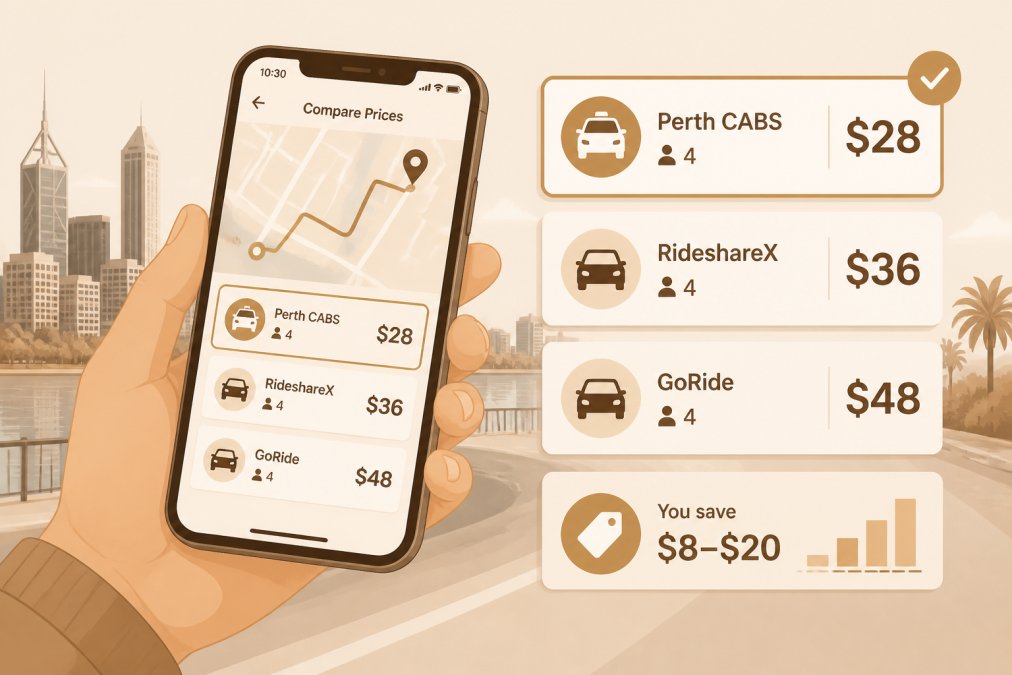
A rideshare fare estimator tool shows you live pricing across multiple transport providers before you commit to a booking. Apps like Placie aggregate fare quotes from DiDi, Ola, 13cabs, and other services, letting you see which platform offers the best rate for your specific route at that exact moment.
The advantage is immediate transparency. Instead of guessing which service will be cheapest, you see real numbers. If Uber is showing a 2.5x surge multiplier but DiDi is showing standard pricing, the choice becomes obvious. Fare estimators remove the guesswork and let you pick based on data.
Some estimators also allow you to see how prices change if you adjust your pickup or dropoff location by just a few blocks. Moving your pickup point away from a surge zone, say, walking two blocks from the airport terminal to a quieter street, can reduce your fare. Fare estimators highlight these opportunities.
However, fare estimators have a limitation: they show prices at the moment you check them, not a guarantee of what you’ll pay. Prices can shift within seconds as demand changes. Use the estimator to compare options, but book immediately once you’ve identified the cheapest service. Waiting even a few minutes can result in price increases.
(/compare-taxi-fares-perth-2026/)]
Fare estimators work best during stable demand periods. During major events, public holidays, or severe weather, prices change so rapidly that estimates become outdated within minutes. In these situations, book immediately rather than spending time comparing options.
Timing Your Departure to Avoid Peak Demand Hours
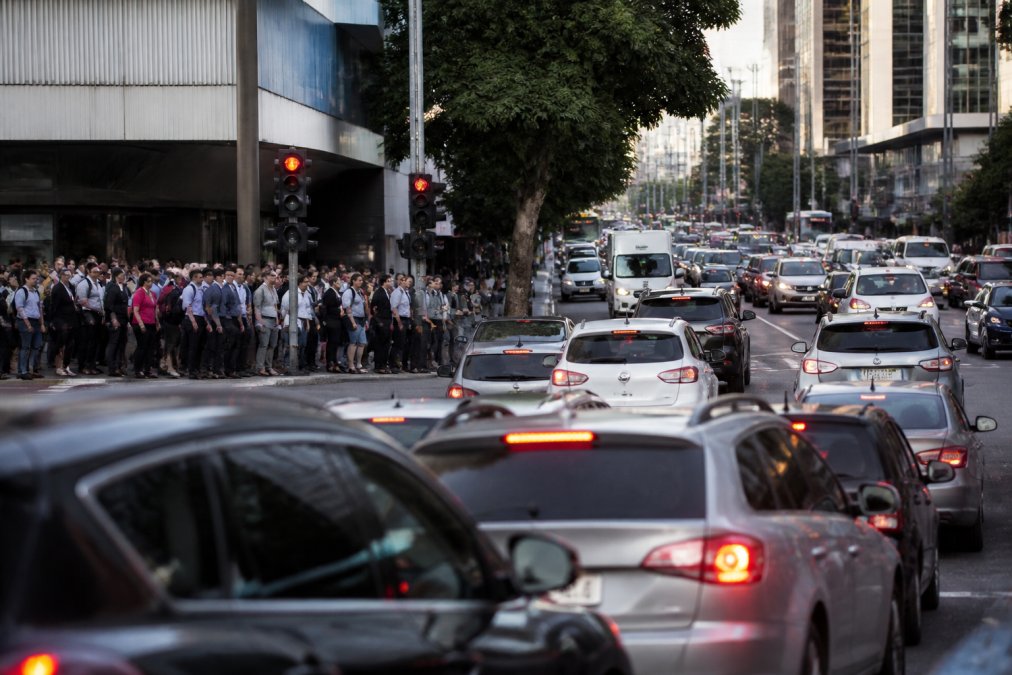
The single most effective way to avoid taxi surge pricing is to travel outside peak demand windows. Surge pricing is concentrated in specific time blocks: weekday mornings (7-9 AM), lunch hours (12-1 PM), and evenings (5-7 PM). Weekends have different patterns, with peaks around nightlife hours (10 PM-2 AM) and shopping times (11 AM-3 PM).
If your schedule allows flexibility, shifting your departure by even 30 minutes can mean the difference between standard pricing and a 2x multiplier. A 9:15 AM trip costs significantly less than a 8:45 AM trip during the same commute window.
For regular trips, map out when demand is lowest in your area. Public transport data and taxi operator experience show clear patterns. In Perth, mid-morning (10-11 AM), mid-afternoon (2-4 PM), and late evening (after 8 PM) generally have lower demand and stable pricing. Plan important trips for these windows when possible.
Some services offer time-based discounts for off-peak travel. Checking whether your preferred operator has loyalty pricing for specific hours can compound your savings. Universal Cabs, for example, maintains consistent rates across day, night, and airport trips, removing the guesswork entirely for customers who value predictability over chasing the cheapest moment.
Point to Point Transport Commissioner Fare Regulations and Your Rights
In Western Australia, the Point to Point Transport Commission (now part of the Department of Transport) regulates taxi fares and licensing. Understanding these regulations protects you from overcharging and gives you recourse if something goes wrong.
Licensed taxis operating in Perth must display fare information clearly and follow approved fare structures. Unlike ride-hailing apps that use dynamic pricing algorithms, traditional taxis operate under regulated meter rates set by the transport authority. This regulatory framework means licensed taxi fares are transparent and capped, with no surge multipliers allowed.
When you use a licensed taxi service, you have the right to know the fare basis before the trip begins. Drivers must use an approved meter and display their license clearly. If a driver refuses to use the meter or charges significantly above the regulated rate, you can lodge a complaint with the transport regulator.
Ride-hailing services operate under different rules. While they’re licensed and regulated, they’re permitted to use dynamic pricing. However, they must disclose the fare calculation method in their app and show the estimated fare before you confirm the booking. Accepting a ride means you’ve agreed to the displayed fare.
For air-conditioned taxis and premium services, slightly higher fares may apply, but these must still follow approved fare structures. Always confirm the fare type before booking. If you’re unsure whether a service is licensed, check the transport regulator’s website or ask the driver for their license number.
Keep records of your bookings and receipts. If you believe you’ve been overcharged, provide this documentation when filing a complaint with the transport authority. Clear records make your case significantly stronger and speed up investigation.
How to Report Taxi Overcharging and Unfair Fares
If you’ve experienced overcharging or believe a fare was unfair, you have formal avenues for complaint. In Western Australia, complaints about licensed taxi services go to the Department of Transport’s Point to Point Transport division. You can lodge a complaint online, by phone, or in writing, providing details of the date, time, service, driver, and the disputed fare.
When making a complaint, include as much detail as possible. The date and time of travel, the pickup and dropoff locations, the driver’s name or license plate number, and the fare charged all help regulators investigate. If you have a receipt or app record showing the fare, attach it. Regulators use these complaints to identify patterns of misconduct and take enforcement action against repeat offenders.
For ride-hailing app disputes, report the issue through the app itself. Most platforms have a "Report a Problem" or "Fare Dispute" feature. Explain why you believe the fare was incorrect, for example, if surge pricing was applied when demand appeared low, or if the estimated fare differed significantly from the final charge. App companies investigate these disputes and may refund portions of fares found to be in error.
If a driver refused to use an approved meter or claimed the meter was broken, that’s a serious violation. Report it immediately to the transport regulator with the driver’s details. These infractions can result in license suspension or cancellation.
Document everything. Take screenshots of app fares, note driver details, and record the date and time. This documentation is essential if you escalate a complaint or pursue a refund. Most regulators and app companies respond more quickly and favourably when you provide clear evidence.
Alternative Transport Methods to Avoid Surge Pricing Altogether
The most reliable way to avoid surge pricing entirely is to use transport services that don’t employ dynamic pricing. Licensed taxi services, carpooling apps, and public transport offer predictable costs and eliminate the risk of price spikes.
Licensed Taxi Services
Traditional licensed taxis operate on regulated meter rates, not dynamic pricing. Services like Universal Cabs maintain consistent pricing across all hours, day, night, and airport trips cost the same rate regardless of demand. This predictability is valuable for budget-conscious commuters and those who value reliability over chasing the cheapest moment.
Carpooling and Ride-Sharing Platforms
Apps like Moovl and CarPool connect drivers and passengers travelling the same route. Drivers set fixed prices, and you split the cost. These services can be a more affordable option than single-occupancy rides because expenses are shared.
Public Transport
Buses, trains, and trams operate on fixed schedules with no surge pricing. A Perth public transport ticket costs the same whether you travel at 8 AM or 6 PM. Apps like Moovit provide real-time information and journey planning across Perth’s public transport network. For daily commutes, a weekly or monthly ticket offers even better value.
Walking and Cycling
For short distances, walking or cycling eliminates transport costs entirely. Perth’s suburban areas increasingly have dedicated cycling paths. For trips under 2 kilometres, active transport is faster than waiting for a ride and far cheaper.
Carpooling works best for regular commutes with consistent timing. Public transport suits frequent travellers on fixed routes. Licensed taxi services suit those who value predictability and premium comfort. Walking or cycling suits short urban trips under 2 kilometres.
Why Reliable Taxi Services Offer Consistent Pricing
Reliable taxi services build customer loyalty through transparent, consistent pricing. When a service guarantees the same fare regardless of demand, time of day, or external conditions, customers can trust and plan around that service. This consistency is a competitive advantage in a market dominated by apps that fluctuate prices minute by minute.
Services like Universal Cabs operate on this principle. By maintaining consistent rates across day, night, and airport trips, they remove the uncertainty that makes ride-hailing stressful. A customer booking a 6 PM airport transfer knows exactly what they’ll pay, whether demand is low or the airport is congested.
Consistent pricing also reflects a different business model. Rather than maximising revenue during peak demand, these services prioritise customer retention and reliability. They invest in driver availability and fleet size to meet demand without resorting to price spikes. This approach builds long-term customer relationships and steady revenue streams.
For corporate clients, consistent pricing is essential. Businesses budgeting for transport costs need predictable fares, not variable charges that spike unpredictably. Reliable taxi services cater to this need, offering corporate packages and fixed rates for regular trips.
The trade-off is straightforward: you might not find the absolute cheapest ride at any given moment, but you get reliability, transparency, and the ability to plan with certainty. For commuters making regular trips, this predictability often outweighs the occasional savings from chasing the cheapest peak-hour option.
Avoiding taxi surge pricing requires a combination of strategies: pre-booking when possible, comparing fares across services, timing your travel to avoid peaks, and understanding your rights under local transport regulations. For Perth commuters seeking reliable, predictable transport, Universal Cabs offers consistent pricing without hidden spikes, backed by experienced drivers and convenient booking options. Get started with Universal Cabs and secure your next journey at transparent, fair rates, no surprises, no surge multipliers, just reliable Perth transport when you need it.
Frequently Asked Questions
What is surge pricing and why do ride-hailing apps use it?
Surge pricing is a form of dynamic pricing that increases fares during periods of high demand and limited driver availability. Ride-hailing platforms use algorithmic pricing to match supply with demand, meaning fares rise when many passengers request rides simultaneously. This occurs during peak hours, bad weather, or special events. Understanding this mechanism helps you plan strategically to avoid taxi surge pricing by booking during off-peak times or using services with fixed-rate pricing models.
Can I use a rideshare fare estimator Australia to compare prices before booking?
Yes. Apps like Placie aggregate live fare estimates from multiple transport providers, including rideshare platforms, traditional taxis, and alternative services. These tools let you compare prices across DiDi, Ola, 13cabs, and other operators in real time. By checking estimates across providers, you can identify which service offers the best rate for your specific route and time, helping you avoid surge pricing and choose the most cost-effective option available.
What should I do if I've been overcharged by a taxi driver?
If you believe you've been charged unfairly, document the details of your trip, including the date, time, route, driver information, and the fare charged. In Western Australia, you can lodge a complaint with the Department of Transport. For NSW, complaints about taxi overcharging can be reported to the Point to Point Transport Commissioner. Provide evidence such as receipts, screenshots, or witness statements. The regulator will investigate and may take action against drivers or services that violate fare regulations.
Are traditional taxi services cheaper than rideshare apps during peak hours?
Traditional taxi services with regulated, fixed pricing often remain consistent during peak demand, whereas rideshare apps typically apply surge multipliers. Services like Rydo and GoCatch specifically avoid surge pricing by connecting passengers with licensed taxi drivers at stable rates. However, costs depend on your location, the specific service, and current demand. Using a fare estimator to compare options before booking ensures you choose the most affordable option for your journey, whether that's a traditional taxi or a rideshare alternative.
This article was written using GrandRanker